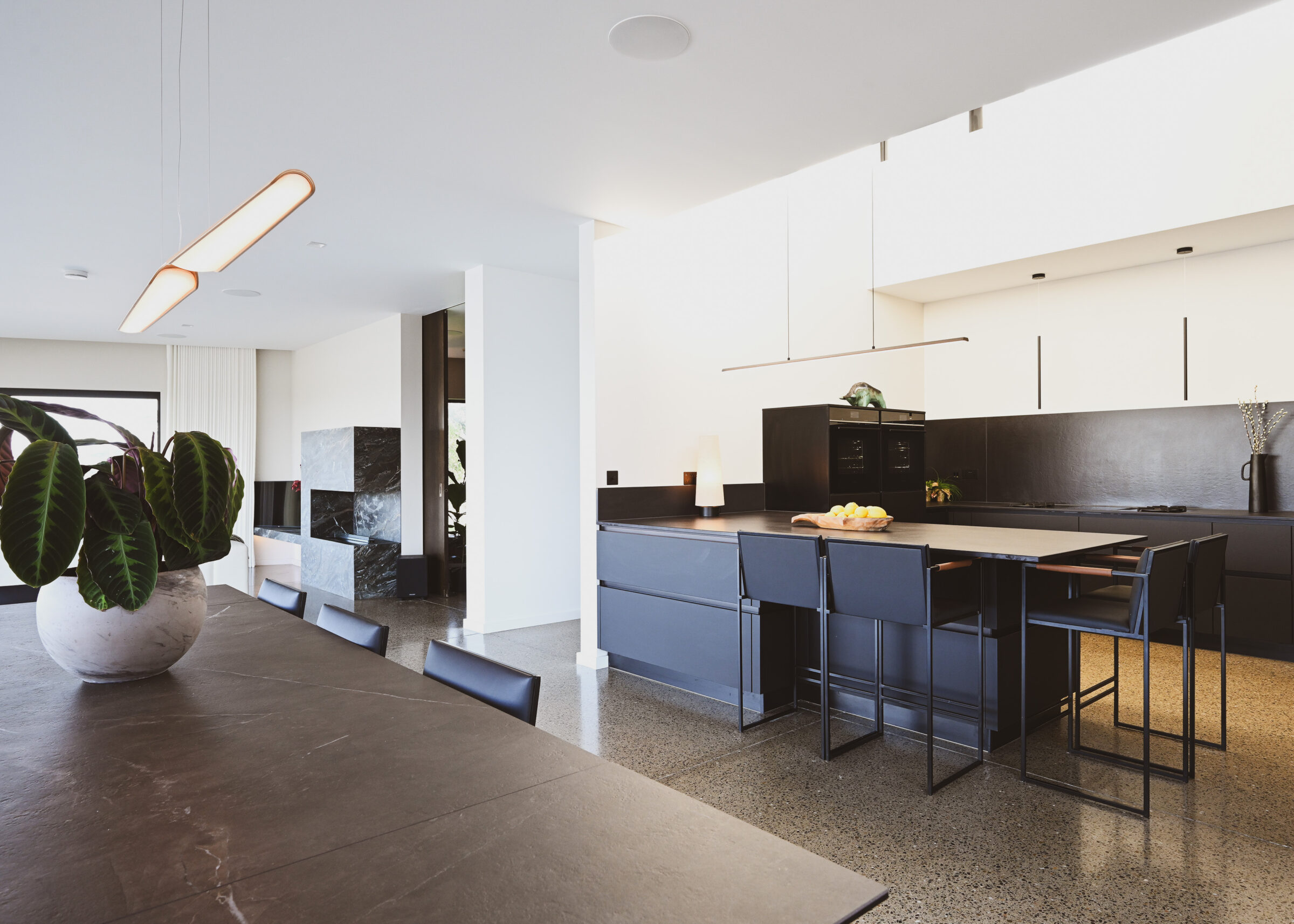
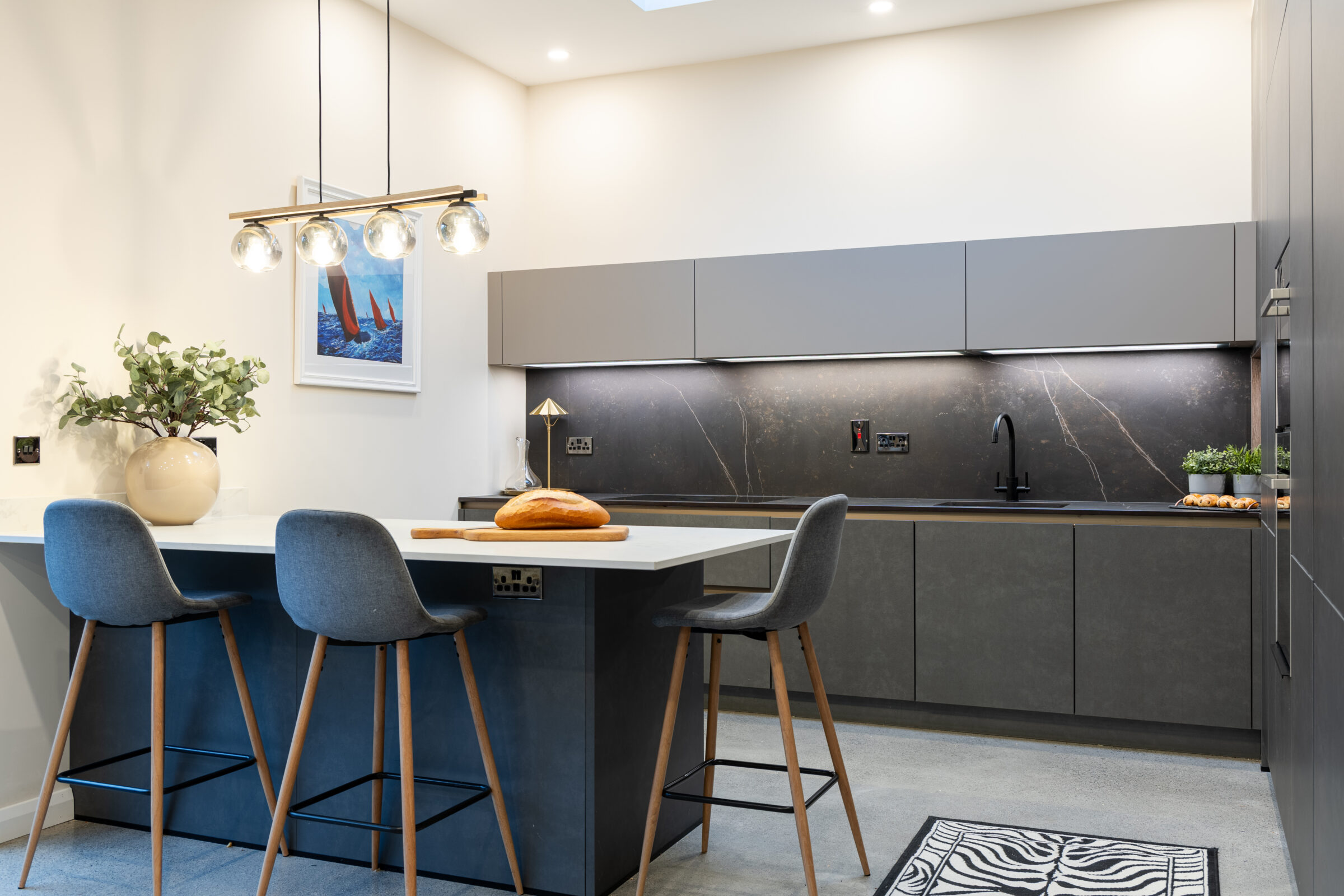
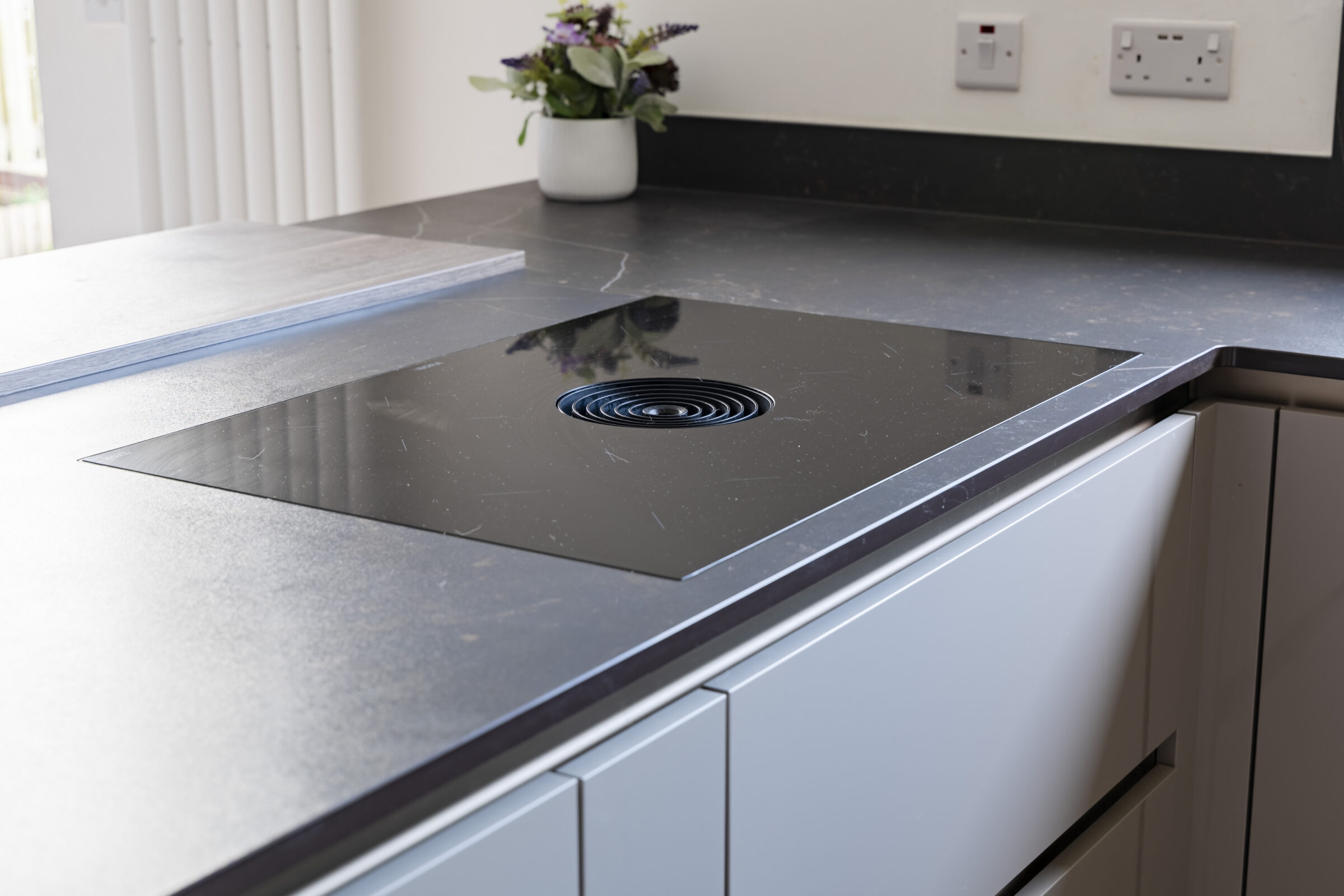
A kitchen renovation involves many moving parts — cabinetry, appliances, lighting, flooring, and finishes all need to come together in the right order. One of the most common questions homeowners ask is: Should the floors go in before or after the kitchen cabinets?
It’s a detail that can make a big difference to your timeline, your budget, and the polished look of the final result. At Kube Interiors, we’ve designed and installed countless kitchens across Ireland, and we know that the sequence of flooring and cabinet installation can affect more than just appearances. Let’s look at both sides so you can make an informed choice.
Why the Order Matters
Your kitchen floor isn’t just a backdrop — it has to withstand heavy traffic, spills, and the weight of fitted cabinets and appliances. Installing it at the right stage of your renovation ensures:
- Durability: Flooring that’s laid correctly lasts longer.
- Aesthetics: Seams, edges, and finishes look more professional.
- Efficiency: Fitters and painters can work more smoothly without backtracking.
Getting this decision wrong may lead to unnecessary costs, extra labour, or future repairs.
Installing Floors Before Cabinets
Some homeowners and installers prefer to lay the floor first. This creates a continuous surface across the entire room, with cabinets and appliances sitting on top.
Advantages:
- Seamless Look: The flooring runs underneath cabinets, islands, and appliances, creating a clean, uniform appearance.
- Easier Layout Changes: If you decide to change your kitchen design in the future, the floor already covers the full space.
- Less Cutting and Fitting: Installers can work without worrying about cutting around cabinets.
Drawbacks:
- Higher Material Costs: You’ll be paying for flooring that will never be seen beneath cabinets.
- Potential Damage: Heavy cabinet installation on top of new flooring can cause scratches or dents, especially with softer materials.
- Timing Pressures: Floors must be protected carefully during the rest of the renovation.
Installing Floors After Cabinets
For many projects, especially where budget or floor durability is a concern, fitting cabinets before flooring is the preferred method.
Advantages:
- Cost Savings: You only buy flooring for visible areas, not the space under cabinets.
- Reduced Risk of Damage: Cabinets are installed directly on the subfloor, so there’s no chance of marking fresh flooring during the build.
- Flexibility in Flooring Choice: This method works well with floating floors (like laminate or engineered wood) that need space to expand and contract.
Drawbacks:
- More Complex Fitting: Installers must cut flooring precisely around cabinets and plinths.
- Harder Future Changes: If you remodel again, you may need to patch or replace flooring where cabinets once sat.
- Less Seamless Look: The floor may appear slightly “cut in” rather than running smoothly beneath everything.
The Kube Interiors Recommendation
So, which option is best? The answer depends on your chosen flooring and the type of kitchen being installed. At Kube Interiors, we tailor our advice to suit your project, but our general approach is:
- For hardwood, tile, or stone: Install floors first, then add cabinets. These durable materials can withstand the weight and create a seamless, high-end finish.
- For laminate, vinyl, or floating floors: Install cabinets first, then lay the floor. Floating floors in particular need room to expand, so trapping them under cabinets can cause buckling.
Whichever route you choose, our installers protect your finishes at every stage, ensuring your kitchens renovation looks and performs exactly as it should.
Special Considerations in Irish Homes
In Ireland, where kitchens often serve as the hub for family life, durability is key. Many homeowners choose tiled or engineered wood floors because they handle spills, humidity, and daily wear well. These options generally favour a “floors first” approach.
On the other hand, for quick renovations or where budget is a priority, laminate flooring is common. In these cases, fitting cabinets first is usually the smarter choice.
Tips for a Smooth Installation
No matter which sequence you choose, there are a few practical steps to keep everything on track:
- Decide Early: Confirm your flooring type before renovation begins so installers know the right sequence.
- Protect Surfaces: Use coverings to shield new floors from scratches, paint, or dust during the remaining work.
- Mind the Expansion Gaps: For floating floors, always leave proper expansion space along walls and cabinets.
- Work with a Specialist: An experienced kitchen designer will coordinate trades so flooring, cabinetry, and appliances all align perfectly.
Making the Right Choice for Your Kitchen
There’s no one-size-fits-all rule when it comes to flooring and kitchen installation order — it depends on your materials, layout, and long-term plans. What matters most is making the decision early and working with professionals who understand how to bring every detail together.
At Kube Interiors, we’re here not just as installers but as trusted advisors, guiding you through each stage of your renovation. With the right planning, your new kitchen will be as practical underfoot as it is beautiful to live in.
Meta Title: When Remodeling Your Kitchen, Do You Do the Floors First? | Kube Interiors
Meta Description: Should you install kitchen floors before or after cabinets? Kube Interiors explains the pros and cons to help you plan the perfect kitchen renovation in Ireland.