How much space do you really need for luxury kitchens? The ideal kitchen size is not defined solely by square metres, but by layout, storage capacity, circulation space and how the kitchen integrates with the rest of the home.
There is no single perfect measurement. Instead, the right size is one that supports daily routines while maintaining balanced proportions and efficient workflow.
Typical Kitchen Sizes
In Ireland and the UK, kitchens generally fall into three size ranges. Small kitchens typically measure between 8 and 12 square metres. Medium kitchens range from 12 to 20 square metres. Larger or open-plan kitchens often exceed 20 square metres and can extend to 35 square metres or more.
However, size alone does not determine functionality. A smaller kitchen with intelligent planning can feel far more practical than a larger space with poor layout.
Minimum Functional Dimensions
For a kitchen to operate comfortably, certain minimum dimensions should be respected.
A galley kitchen with cabinetry on parallel walls generally requires at least 1,800 millimetres in width to allow sufficient circulation between runs. Walkways should measure no less than 900 millimetres, though 1,000 to 1,200 millimetres provides more comfortable movement.
Cabinet depth must also be considered. Base units along a single wall or adjacent walls require adequate clearance to ensure prep space remains usable.
If a kitchen island is introduced, additional clearance becomes essential. Ideally, 1,000 millimetres of circulation space should surround the island on working sides. Without these clearances, even a generous kitchen can feel restrictive.
How Layout Influences Ideal Size
Kitchen layout often matters more than square footage.
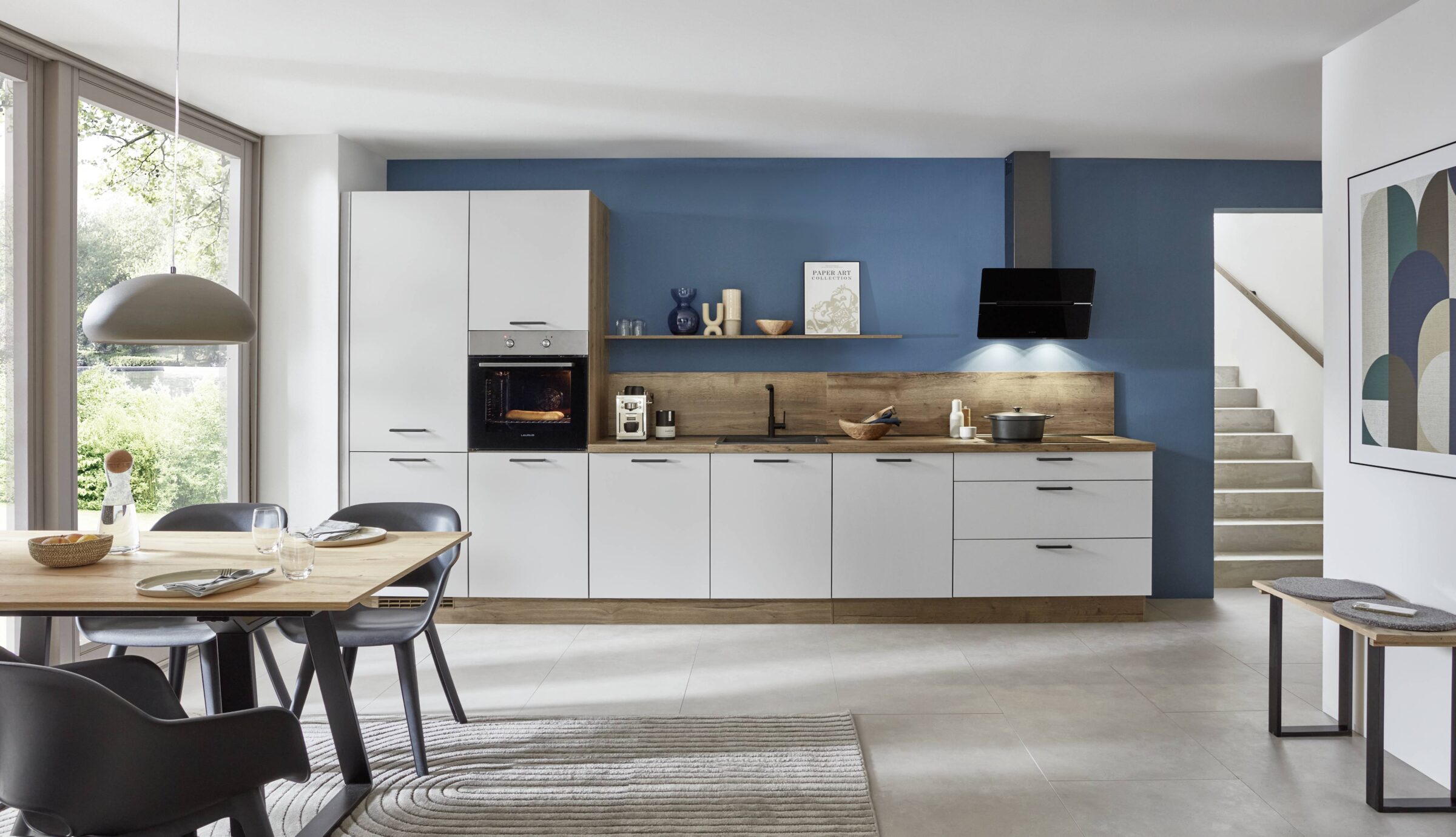
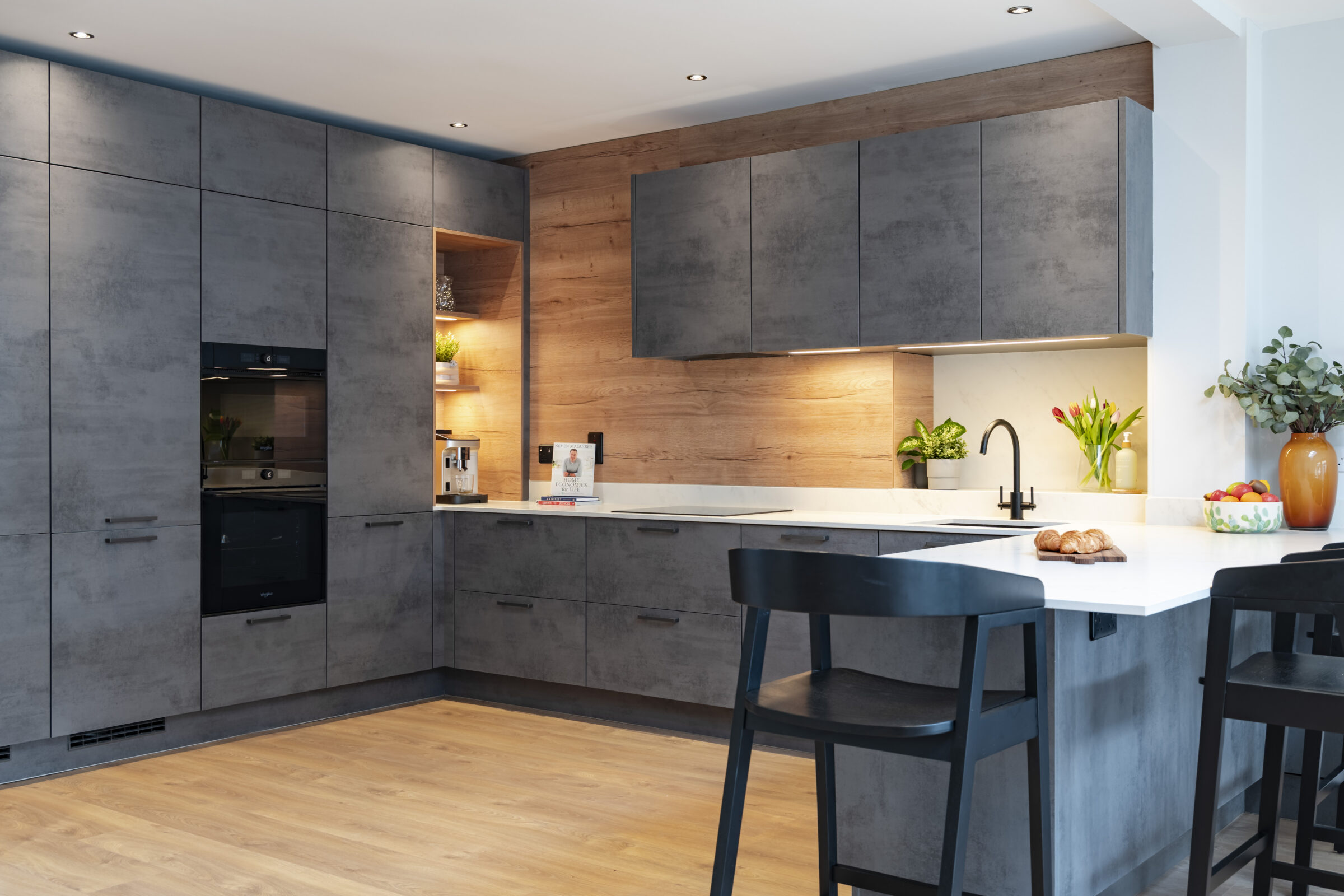
Common layouts include galley, L-shaped, U-shaped and open-plan configurations. Each affects how space is used. A U-shaped kitchen provides extensive work surface and storage but requires more floor area. An L-shaped layout offers flexibility and can work well in medium-sized rooms. A one-wall kitchen may suit compact apartments but demands careful planning of prep zones.
An efficient layout respects the kitchen work triangle, ensuring practical distances between the sink, hob and refrigerator. In larger kitchens, designers often create dedicated zones for preparation, cooking and cleaning to maintain efficiency.
A well-designed 12 square metre kitchen can outperform a poorly planned 25 square metre space simply because the layout supports natural movement.
Kitchen Islands and Space Requirements
The inclusion of a kitchen island significantly affects the required room size.
To comfortably accommodate an island, the overall room width should ideally exceed 3,500 millimetres. For example, if an island measures 1,000 millimetres deep and you allow 1,000 millimetres of clearance on either side, the total space required before cabinetry is considered already reaches 3,000 millimetres.
Seating adds further depth requirements. Breakfast bars or stepped-down surfaces need additional clearance to prevent congestion.
In open-plan homes, the island unit often acts as both a visual anchor and a functional transition between cooking and living zones. Its scale should feel proportionate to the surrounding dining and seating areas.
Storage and Perceived Space
Storage capacity strongly influences whether a kitchen feels large enough.
Insufficient storage leads to cluttered worktops, making the room appear smaller than it is. Strategic placement of base cabinets, tall units and pantry storage increases efficiency without overwhelming the space.
In smaller kitchens, vertical storage and integrated appliances help maximise capacity without reducing circulation. In larger kitchens, thoughtful zoning prevents excessive walking distances between work areas.
The ideal kitchen size supports both practical storage and clear visual lines.
Open-Plan Integration
In modern homes, kitchens often form part of an open-plan layout that includes living and dining areas.
In these spaces, the kitchen must feel proportionate to the entire room. An oversized kitchen can visually dominate the living area. Conversely, a kitchen that is too small may feel disconnected.
Half-height walls, island units and changes in ceiling detail can help define zones while maintaining openness. The key is ensuring spatial balance across the entire environment.
At Kube Interiors, proportion and spatial flow are central to how we approach designing luxury kitchens. The ideal size is never determined by square metres alone, but by how the kitchen relates to the architecture of the home.
Small Kitchens: Precision Planning
Compact kitchens demand precision. Slimline cabinetry, integrated appliances and consistent proportions help maintain openness. Every millimetre counts, and careful scaling prevents the space from feeling compressed.
Efficient storage solutions and adequate worktop space are essential in smaller layouts to ensure the kitchen remains practical.
Large Kitchens: Avoiding Wasted Space
Larger kitchens bring different challenges. Excessive distance between the main working elements can disrupt workflow. Overly expansive islands may create unnecessary walking routes.
Even in generous rooms, the goal remains balanced circulation, efficient work zones and comfortable movement.
So, What Is the Ideal Size?
The ideal kitchen size is not defined by a specific number of square metres. It is defined by efficient layout, adequate circulation space, sufficient storage and balanced proportions.
A well-designed kitchen feels spacious because it functions properly.
Whether compact or expansive, the right size is the one that supports your household’s needs while maintaining visual harmony and practical efficiency.
Ultimately, the best kitchens are not the largest ones. They are the ones designed with intention.