Layout is everything for luxury kitchens. A kitchen can look impressive in photographs yet feel frustrating in everyday use. Poor planning affects how a kitchen functions, how it flows, and how comfortable it feels to live in.
Understanding common kitchen layout mistakes helps you avoid costly design errors and create a space that performs as well as it looks.
Ignoring the Kitchen Work Triangle
One of the most frequent kitchen design mistakes is neglecting the relationship between the sink, hob and refrigerator. The traditional kitchen work triangle remains relevant because it promotes efficient movement between key work zones.
If these elements are positioned too close together, the kitchen feels cramped. If they are too far apart, cooking becomes inefficient. The distances should allow comfortable circulation without unnecessary steps.
In open-plan kitchens, designers may adapt the triangle into separate work zones, but the principle of balanced spacing remains essential.
Oversized or Undersized Kitchen Islands
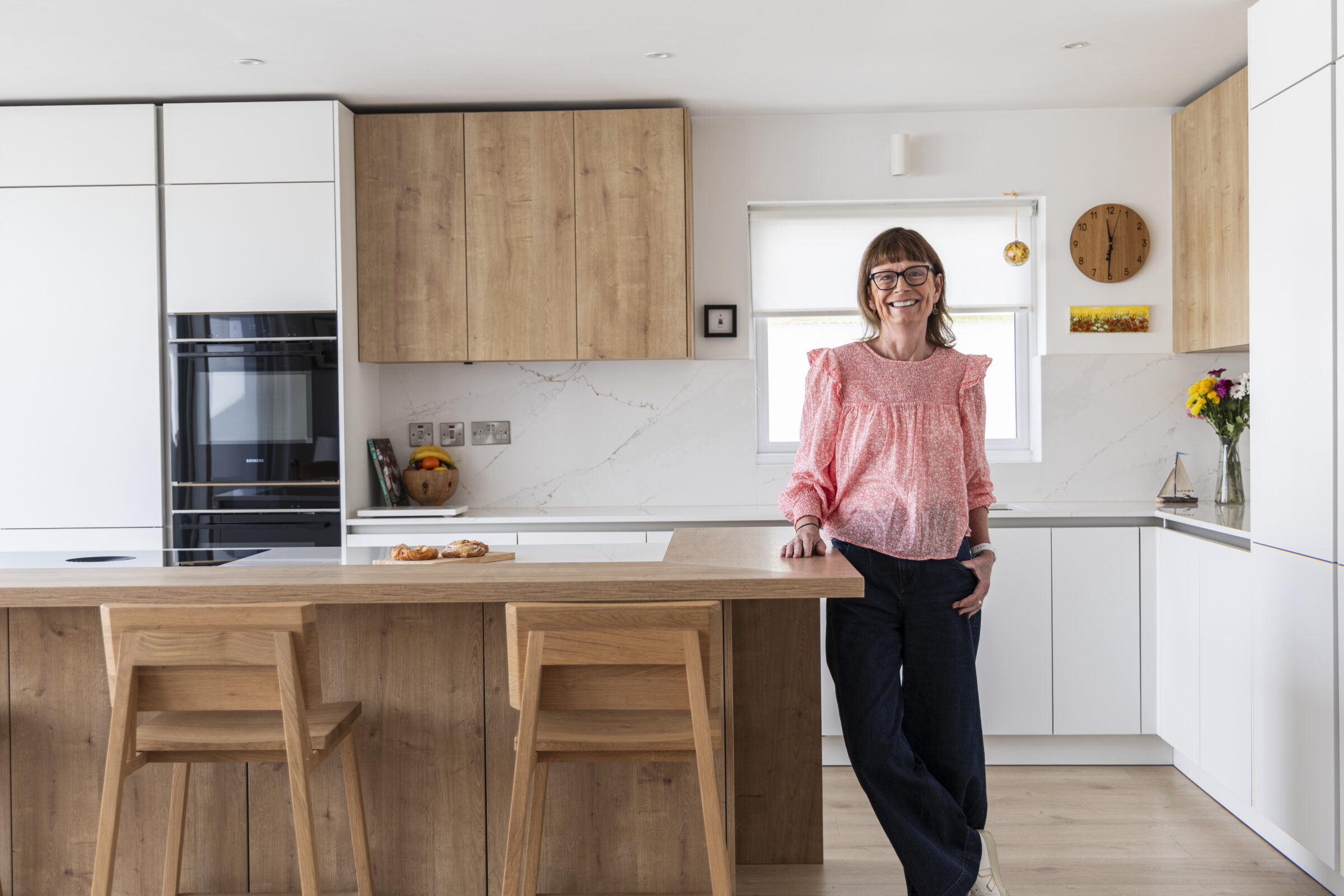
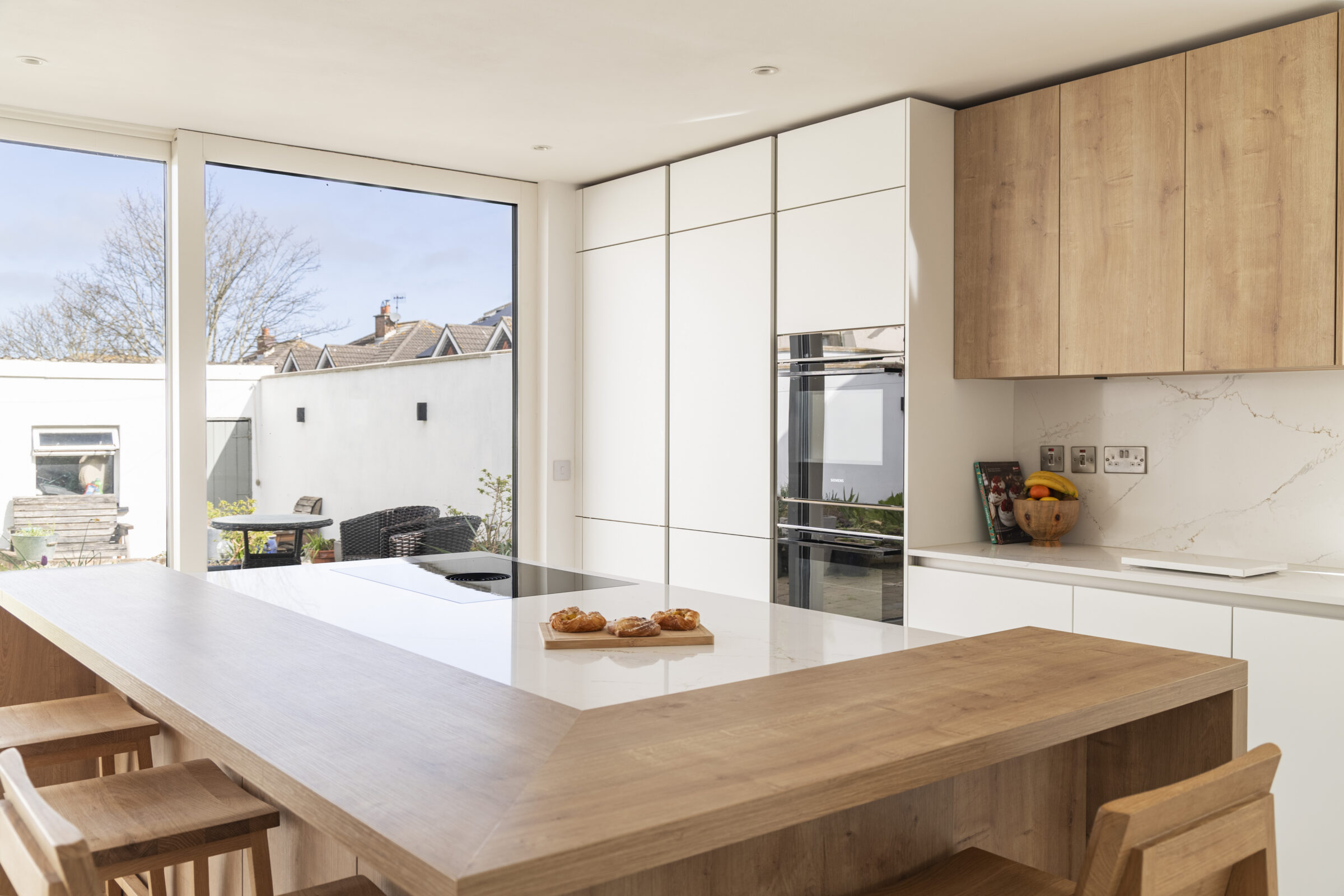
The kitchen island is often the focal point of modern kitchen design, but incorrect sizing is a common mistake.
An island that is too large can restrict circulation and disrupt traffic flow. Walkways should ideally allow between 1,000 and 1,200 millimetres of clearance for comfortable movement. Anything below 900 millimetres can make the kitchen feel constrained.
On the other hand, an island that is too small may lack visual presence or functional surface area. Proportion is critical. The island should relate naturally to the size of the kitchen space and surrounding cabinetry.
Poor Storage Planning
Insufficient storage space is one of the most common layout problems. Without adequate cabinets and drawers, worktops quickly become cluttered.
However, overloading a kitchen with wall cabinets can also create a heavy, enclosed feeling. The goal is balanced storage planning. Base cabinets, tall units and pantry space should be positioned strategically rather than uniformly.
Dedicated storage for everyday items such as chopping boards, small appliances and waste bins helps maintain a clean, organised kitchen environment.
Blocking Natural Light
Natural light plays a significant role in how a kitchen feels. Placing tall cabinetry beside windows can reduce light flow and make the room appear smaller.
A well-designed kitchen layout respects the placement of windows and doors. Where possible, taller elements should be positioned on solid walls, while base cabinets or open shelving sit near natural light sources.
In open-plan kitchens, preserving light flow is even more important to maintain visual balance across the entire space.
Ignoring Clearance and Door Swings
Appliance door clearance is frequently overlooked during kitchen planning.
Fridge doors, dishwasher drop-downs and oven doors require additional space beyond their base footprint. If these clearances overlap with main walkways, daily use becomes inconvenient.
Entry doors also need proper swing clearance. A poorly placed tall cabinet near a doorway can disrupt movement and restrict access.
These small layout oversights often create long-term frustration.
Disregarding Proportion and Scale
Scale is one of the most overlooked aspects of kitchen layout design.
Tall cabinetry that overwhelms low ceilings, oversized handles in compact kitchens, or thick worktops in small spaces can disrupt visual harmony. In larger open-plan kitchens, failing to balance the scale of the island with adjacent living areas can make the space feel disjointed.
At Kube Interiors, proportion is central to how we approach designing luxury kitchens, ensuring cabinetry, worktops and layout feel architecturally aligned.
Overlapping Work Zones
Modern kitchens often include dedicated zones for food preparation, cooking and cleaning. A common mistake is placing these zones without sufficient surface area or storage nearby.
For example, positioning the sink directly in the primary prep zone without adequate countertop space can interrupt workflow. Each zone should include enough worktop space, storage and circulation to function efficiently.
The layout should support how you cook and live, rather than prioritising aesthetics alone.
Failing to Plan for Long-Term Use
Kitchen layout decisions should account for long-term needs. Household routines evolve, entertaining habits change and accessibility may become more important over time.
Generous circulation space, flexible storage solutions and integrated seating areas help future-proof a kitchen. Addressing these considerations early in the design process ensures the layout remains practical and cohesive for years to come.
Designing a Kitchen That Works
Most common kitchen layout mistakes stem from prioritising appearance over functionality. A well-designed kitchen balances movement, storage space, natural light and proportion.
When the layout is right, materials and finishes perform better. Circulation feels intuitive. Workflows become effortless.
Good kitchen design is not defined by how it looks on completion day, but by how it performs every day after.