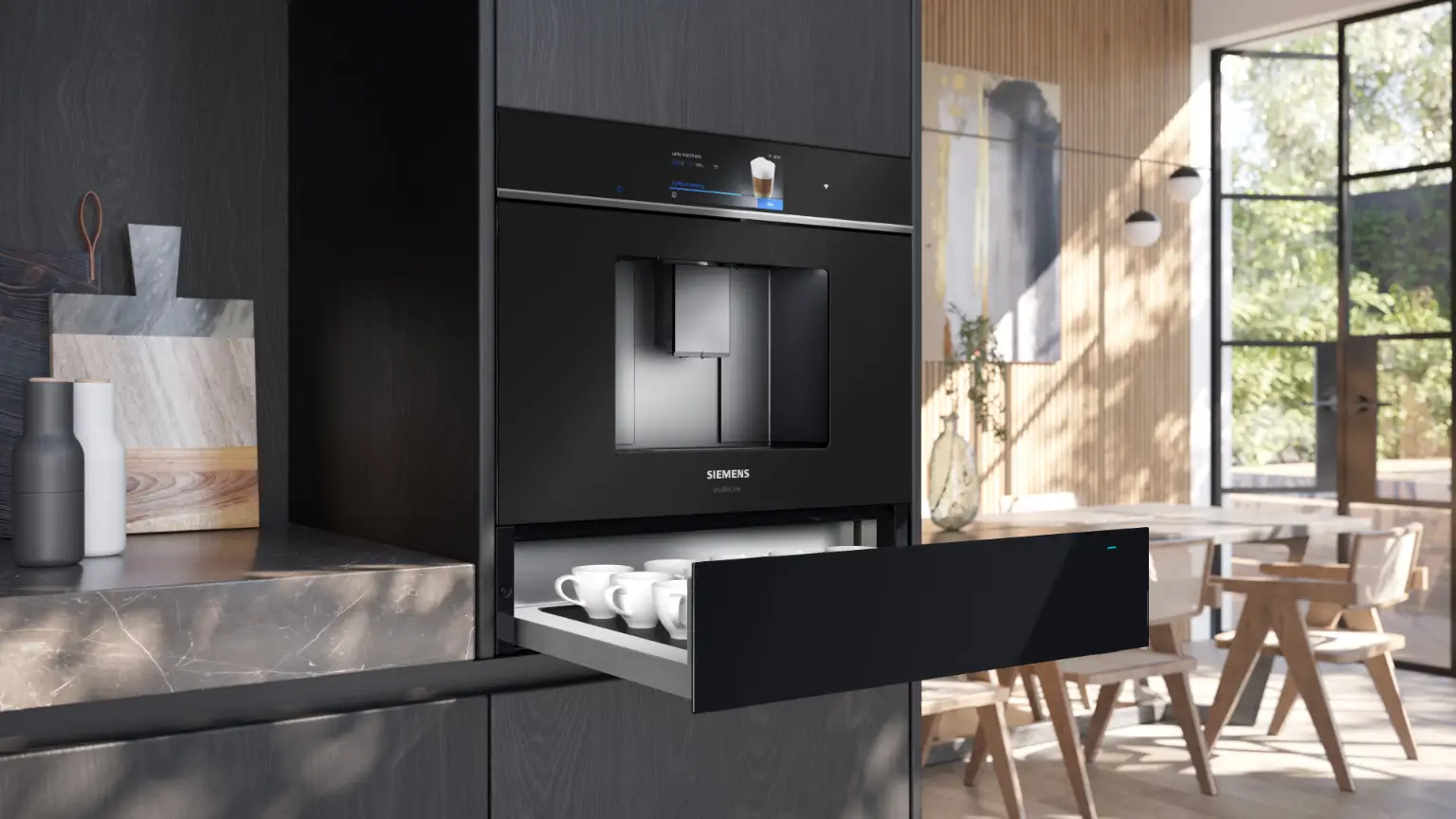
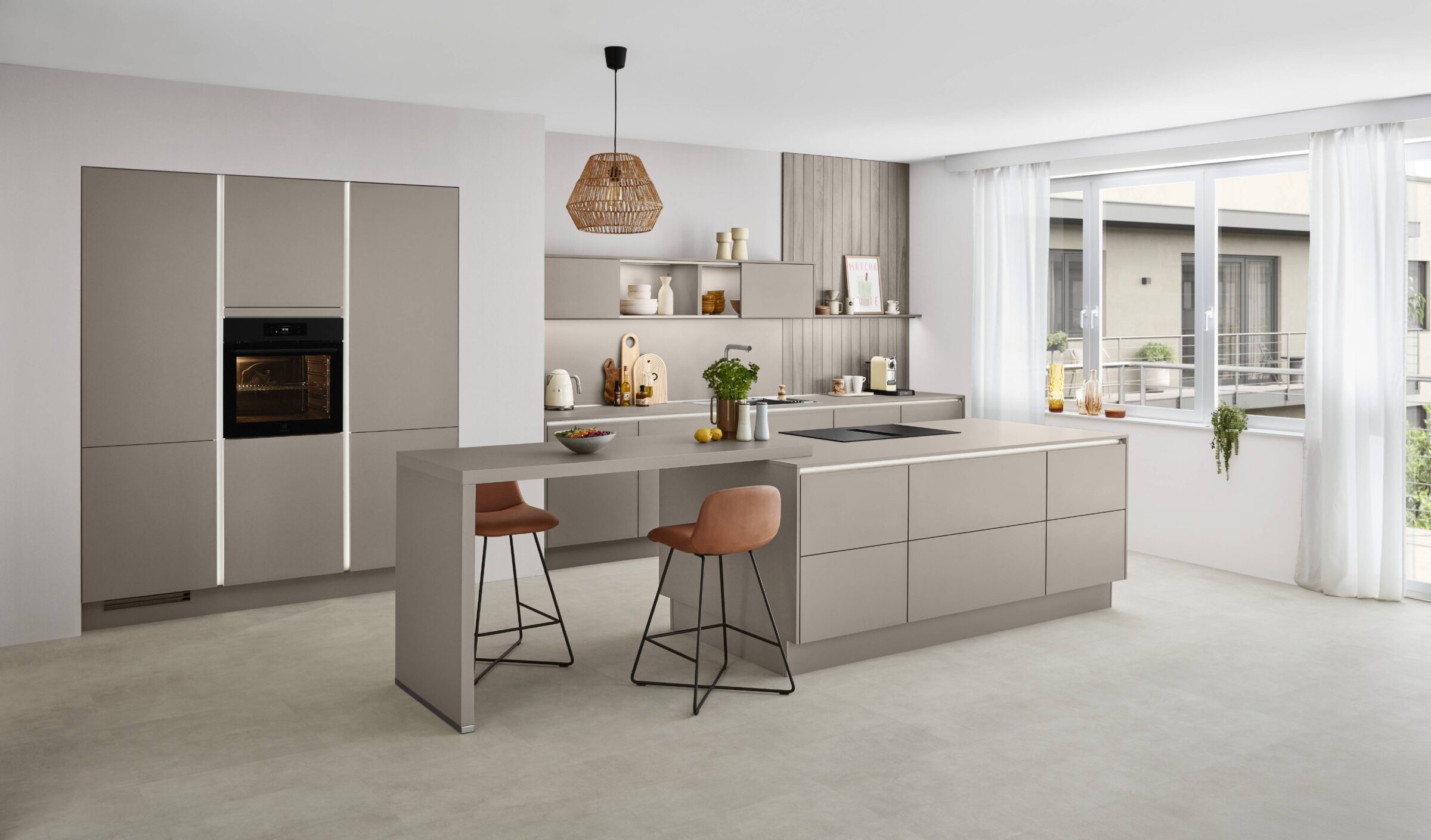
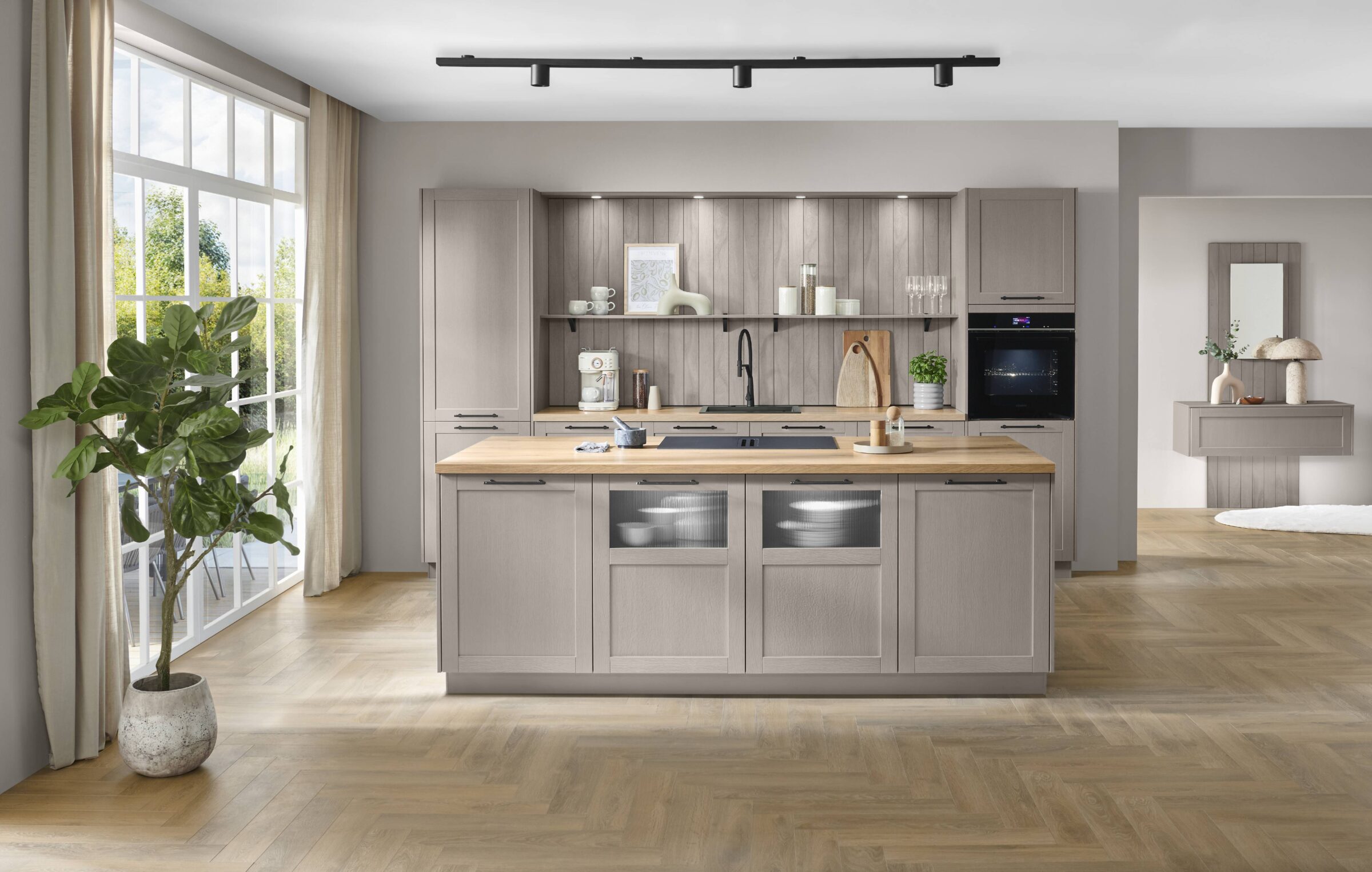
Kitchen remodel costs are rarely driven by a single line item. Instead, they are shaped by a combination of decisions made early in the process, particularly around layout, cabinetry, and how the space is intended to function day to day.
In interior design, cabinetry represents the largest share of the budget of a kitchen. Cabinets are not just storage; they determine the structure of the kitchen, how appliances are integrated, and how efficiently the space works. Material quality, internal fittings, finishes, and sizing all influence cost, which is why this area tends to account for the biggest investment.
Kitchen Cabinets: The Largest Cost Driver
Cabinetry is typically the most expensive part of a kitchen remodel. In Irish homes, it often represents the single largest share of the overall budget, particularly in higher-spec projects where quality, layout, and long-term durability are prioritised.
This is because cabinets are not just storage units. They define the layout, dictate appliance integration, and set the tone for the entire kitchen. Materials, construction quality, internal fittings, and finishes all affect cost.
Flat-pack or entry-level cabinets are more affordable, but they often come with limitations in sizing, durability, and internal configuration. Custom or semi-custom cabinetry costs more, but it allows for better use of space, higher build quality, and a more refined finish that lasts longer.
From a long-term perspective, cabinetry is one of the areas where cutting costs can be felt most clearly over time.
Installation and Labour Costs
Installation is another major expense that is sometimes underestimated. A well-designed kitchen still depends on precise fitting to function properly.
In Ireland, installation costs vary depending on the complexity of the project. Straightforward kitchen replacements are less expensive than full renovations involving layout changes, structural work, or older properties.
Labour costs increase when walls are removed, services are relocated, or bespoke elements are introduced. Skilled installation ensures doors align correctly, appliances integrate seamlessly, and finishes look consistent. Poor installation can undermine even the most expensive kitchen.
This is why installation should be viewed as part of the core investment rather than a place to cut corners.
Appliances Can Add Up Quickly
Appliances are often the second or third largest expense in a kitchen remodel, depending on specifications.
Built-in ovens, integrated fridge freezers, induction hobs, extraction systems, and boiling water taps can significantly increase costs. Premium brands and advanced features add convenience and performance, but they also raise the overall budget.
Appliances are also one of the most visible elements of the kitchen. From an interior design standpoint, they influence how cohesive the space feels, especially when integrated into cabinetry.
While appliances are easier to replace in the future than cabinets, many homeowners choose to invest upfront to match the quality of the rest of the kitchen.
Worktops Are a Significant Investment
Worktops are another area where costs can escalate quickly. Natural stone, quartz, and ceramic surfaces are popular choices in Irish kitchens because of their durability and appearance.
The price of worktops depends on material, thickness, edge detailing, and layout complexity. Islands, waterfall edges, and large spans increase both material and fabrication costs.
Although worktops are not usually the single most expensive item, they play a major role in how premium the kitchen feels and how well it performs day to day.
Plumbing, Electrical, and Structural Changes
Behind-the-scenes work can quietly consume a large portion of the budget.
Moving plumbing or electrical points, upgrading wiring, or altering walls all add to costs. In older Irish homes, additional work may be required to bring services up to current standards.
These costs are not always obvious at the start, which is why surveys and detailed planning are important. Structural changes can transform how a kitchen works, but they should be planned carefully to avoid unexpected overruns.
Design and Planning Costs
Professional design is sometimes overlooked when considering kitchen costs, but it plays a key role in controlling the budget.
Good design prevents mistakes, reduces wasted space, and ensures the kitchen works as intended. From layout efficiency to storage planning and lighting, design decisions influence long-term satisfaction.
Kube Interiors place strong emphasis on planning because it helps homeowners allocate budget where it matters most, rather than overspending on features that add little value.
What Matters Most When Budgeting
The most expensive part of a kitchen remodel is not always the same for every home, but cabinetry and installation consistently represent the largest investment.
Rather than focusing only on individual prices, it is more useful to think in terms of value. Areas that affect structure, storage, and daily use tend to deliver the greatest return over time.
A well-balanced budget prioritises cabinetry, layout, and installation first, then works outward to appliances, worktops, and finishes.
A Smarter Way to Invest
A kitchen remodel is a long-term decision. Spending more on the right elements early on often reduces the need for costly changes later.
By understanding where the highest costs lie, homeowners can make informed choices and avoid common pitfalls. The most successful kitchen projects are those where budget, design, and practical use are aligned from the start.